We were first introduced to Melbourne-based designer Fiona Lynch when she visited our shop while she was on a break from a client visit. We were instantly taken with her curiosity and enthusiasm, and were later deeply impressed by the range and significance of her projects. We were also impressed by the large stack of books Lynch had us ship back to her home office, and we knew we had to know more about her relationship to books and about her own personal library.
This interview is part of an interview series presented by William Stout Architectural Books exploring the personal libraries of architects and designers and the way books have affected them and their practice.

Erik Heywood: Tell us about your relationship with books, both personally and professionally?
Fiona Lynch: My first memories of books were in the study at our home. We had Funk & Wagnel encyclopedias and many books on gardening. Thinking back we were lucky to have a room with a desk and small sofa to sit in and read. I a, the youngest of six kids and really didn't spend a lot of time reading' instead I spent time watching TV and playing games outside with my neighbors. Somehow I spent 9 years at university studying fine arts and then interior design. It was during that time that I started collecting art and design books as we had some great bookshops in the center of Melbourne. The best thing about collecting books, especially if you buy books when you travel, is that they can transport you back to that place. I have over 600 books and my favorite thing to do on the weekend is to pull four to five books out and spend time going between them. There might be an idea that I have about a project or it might be that I just want to make time to sit and read one of my books to try to learn something new.
EH: Are there books outside the traditional architecture sphere— literature, history, philosophy, art— that have shaped your thinking or helped you approach a project in a new way? What role does non-architectural reading play in your creative process? Where do you look for inspiration and how is it reflected in your library?
FL: Art definitely, and History. I studied Renaissance History at school and love learning about this period. Books on Australian Indigenous art, as my study at university never touched on the importance of First Nations peoples and so I feel I have much to catch up on. I have just been at the Tate Modern and saw Aboriginal artist Emily Kam Kngwarray. Her work is monumental in its beauty and spirit, transporting you to the vast plains of the landscape she is from in the Northern Territory of Australia.
For design inspiration I always look outside of interior design for inspiration. I will look at sculpture, installation, ceramics and, of course, painting.Painter Robert Ryman and Frank Stella are two of my favorite artists. Ryman's ability to layer light and Stella's sculptural, geometric forms. To be honest, I am not that inspired by Interior Design books. There has always been too much focus on coffee table style interiors books and I really don't like these. I find them fake and dull. Interior design is probably one of the hardest careers you can decide to go into and coffee table interior books really dumb our industry down. Funny that these thoughts have just come out as I have my book, Material Wonder launching. I hope people don't see it as a coffee table book. There is a focus on my residential projects interspersed throughout. My book explores the main materials I work with in my projects: wood, stone, metal, and textiles across 20 projects.

My collection includes new and old books.I have the most wonderful second hand bookshop near me that often has boxes of books dropped off by family that have no interest in their parents' book collection or maybe they have taken a few key ones for their home to remember them by. One day when I visited I could see the links between all these books abandoned. I picked up a book on artist Christo but then found a book on plastics in installation art. I thought these books must have been collected by one person as there was a link between the materials Christo used and this book on plastic installation. I ended up walking out with about 20 books which I am convinced were from one person's collection. There were links between design, art, and fashion. Now I think about my collection of books. I have three children but often they look at how many books I have and tell me they don't want them. So now I am sad for my books as I think they should stay together. Not all of them, but most of them. I do have some books in my collection that I have been given but that I don't really connect with. They can have those books to take to the second hand shop.
EH: Are there books you’ve returned to not for technical guidance but for atmosphere, mood, or a way of seeing the world that influences your architecture— ways of thinking that open up emotional or sensory dimensions in your work?
FL: On my first visit to New York when I was 20 I bought a book of Mark Rothko and another on Robert Ryman. they are still in my top ten books. Rothko is passionate about color and light and then Ryman's work is all mainly white or shades of white. I appreciate both of them. I often wonder how I can connect with both their works when they are so different. However, the one connecting piece between them is their pursuit of the atmospheric. Light thin layers of paint is how they both paint to create a lightness and intensity that is ethereal and transporting. In my own work, I am always looking to create layers of intensity in the materials and the way my studio uses them. I edit a lot. Often I might start with 20 materials and then reduce to only four. I think about a material's lightness or heaviness and how that will make a person feel within the space. Melbourne Penthouse has the most wonderful ceramic panel across the back of the kitchen in a soft jade color. When the Western light hits the ceramic gloss panel, it then bounces the colors of the other materials close by. Acid dipped aluminum and brass materials bounce off the ceramic creating the most wonderful play of light that is emotional and sensorial.
EH: Is it important to maintain a good library of books at your office? What role does your office library play in your practice? Is there any one person in charge of it?
FL: We have books dotted through the studio. Often I will see a link and will find a book and then take it to one of the team to give them some inspiration and direction for what they are working on. Books are really important, especially my older books which might show a different way of detailing or exploring materials away from the Pinterest or Instagram algorithms. Sometimes we madly hunt for a book which is hidden under materials or on someone's desk.
We like to do a pre-concept direction workshop where we share out love of books with our clients and will pull out books to best describe where we plan to go with a project.
We are working on a bathhouse project where our client expressed and interest in James Turrell lighting and experience; but then I visited Stout Books, had the most wonderful experience, and walked out with 10 books on Japanese wood artists, traditional bath house design, and a book on the Sea Ranch by MLTW architects. When I returned to Melbourne I shared these with my client and we decided to go in a completely different direction.
All the bath houses at the moment in Melbourne are very slick and we are going to create an experience that has rawness and gritty character. It will end up being a disruptor as it will be unexpected.
EH: How does book buying figure into your life? Do you frequent bookstores regularly? Are they a part of your travel rituals? Do you travel with books?
FL: We have a wonderful book store in Melbourne called Readings. I have always supported them. I rarely buy a book online as I would prefer to buy from a bookshop. When I travel I will always go into a museum or gallery's bookshop, like the Tate in London. McNally Jackson in New York is one of my favorite places. Your bookshop is my new favorite design bookshop. Living all the way in Melbourne is a long way to lug books; however, I am always happy to do this if I have room in my suitcase. Buying books when I am away is part of my travel memories and it is the best way to find books that are not available where you live.

EH: How do books exist in your home? Do books take up a lot of space there? Do you have any specific system for them? Have you designed your own bookshelves?
FL: I have designed very deep bullnose shelves next to our fireplace. The top shelves have some art I have collected and two rows of my favorite books. I also have some book stacks dotted around the edge of the room as I need to design some more shelves.
EH: Are there any books you believe every designer/architect should own?
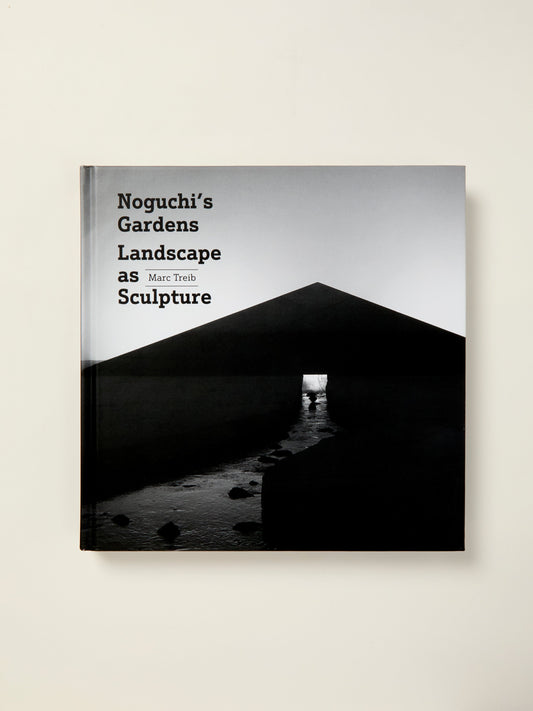
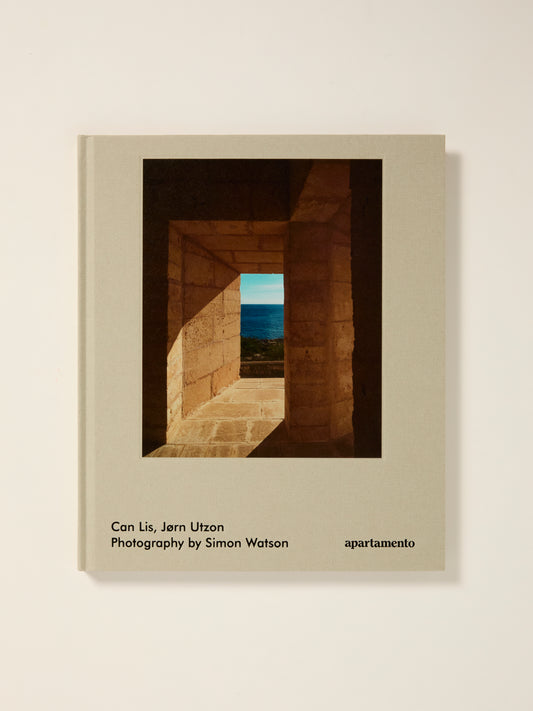
FL: Schindler House, Noguchi's Gardens, The Yoshijima House, Lina Bo Bardi 100, Rachel Whiteread's Drawings, Can Lis, and Jorn Utson in general. And every designer should visit Jorn Utson's opera house in Sydney!